Finding a Qualified Professional
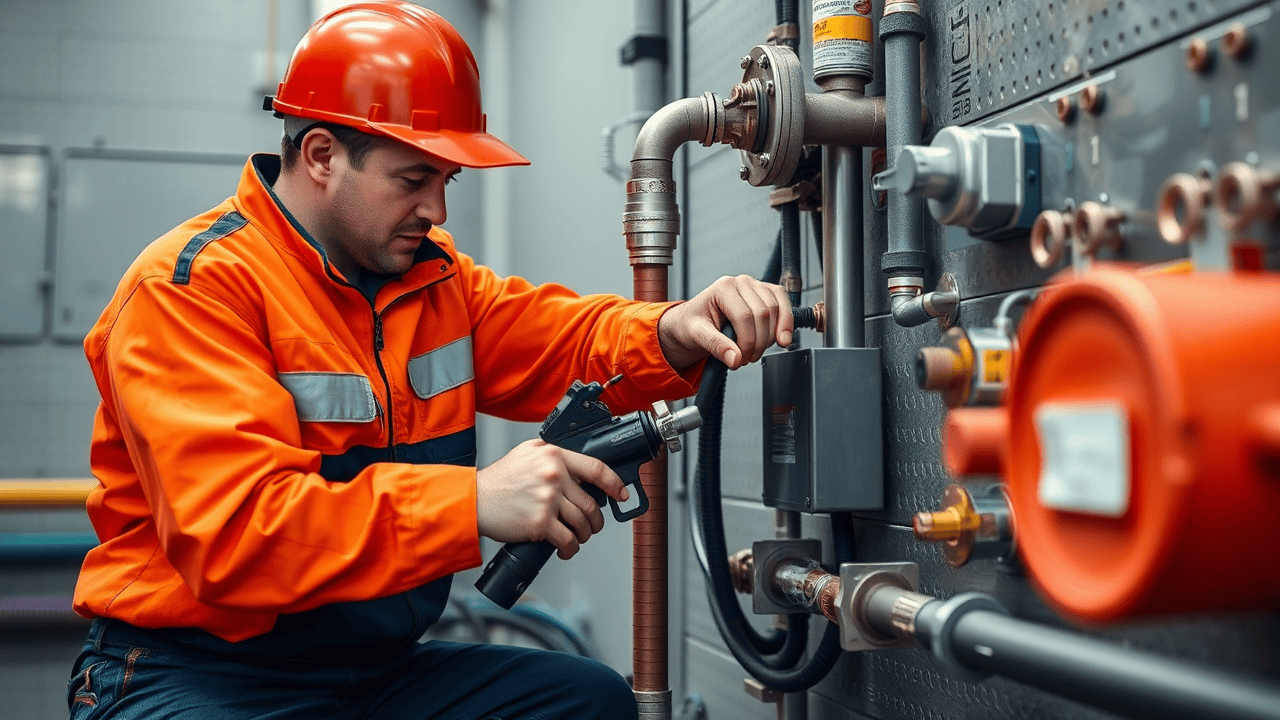
When looking for a qualified professional to handle gas line installation and repair in Oregon, it is essential to prioritize experience and credentials. A licensed contractor will not only have the necessary training but will also be familiar with local regulations and safety requirements. Always ask for proof of licensing and insurance to ensure that the contractor is qualified to perform the work safely and effectively.
Additionally, seeking referrals from friends, family, or neighbors can provide insights into the reliability and quality of the contractor's work. Reading online reviews and checking ratings from organizations like the Better Business Bureau can also help in making an informed decision. A strong track record in gas line installation and repair in Oregon often indicates a commitment to customer satisfaction and safety standards.
Tips for Hiring a Licensed Contractor
When seeking a licensed contractor for your gas pipe replacement, ensure they have experience specifically in gas line installation and repair in Oregon. Check their credentials and reviews to gauge previous performance. Certifications and relevant training indicate a professional commitment to safety and compliance. Ask for references from past projects to better understand their reliability and expertise.
Communication is crucial when hiring a contractor. Discuss your project in detail and clarify your expectations regarding timelines and budgets. A reputable contractor will not only provide a transparent estimate but will also be open to addressing any concerns you may have throughout the process. Establishing this rapport can lead to a smoother experience and a successful outcome for your gas line needs.
Local Regulations and Permits
Local regulations surrounding gas line installation and repair vary from state to state. In Oregon, specific permits may be required before undertaking any work on gas pipes. It’s important to check with local authorities to understand the requirements that govern such projects. Ensuring compliance not only helps avoid fines but also guarantees that the work adheres to safety regulations essential for protecting both the property and its occupants.
Obtaining the necessary permits often involves submitting detailed plans and specifications for the proposed work. Local building departments typically review these documents to ensure they meet the state's safety standards. For those considering gas line installation and repair in Oregon, understanding these regulations can help streamline the process and ensure that all installations are performed legally and safely.
Importance of Compliance with Safety Standards
Compliance with safety standards is crucial when it comes to gas pipe replacement. Adhering to these standards ensures that the work is performed correctly and minimizes the risk of accidents related to gas leaks or explosions. Licensed professionals stay updated on local regulations that govern gas line installation and repair in Oregon. This dedication to safety protects both the property and the people within it.
Ignoring safety protocols can lead to severe consequences, including costly repairs and legal issues. Proper training and certification of contractors ensure that they understand the necessary safety measures related to gas pipe work. By prioritizing compliance, homeowners can be confident that their gas systems will function effectively and safely for years to come.
Benefits of Upgrading Gas Pipes
Upgrading gas pipes can significantly enhance safety and efficiency within any property. Older pipes may become corroded or weakened over time, creating potential hazards such as leaks. Newer materials and technologies reduce these risks, ensuring a safer environment for residents and visitors alike. Enhanced systems often provide improved gas flow, leading to better performance of appliances and lower utility costs.
Investing in modern gas pipes also contributes to compliance with local regulations. Many areas, including Oregon, require adherence to specific safety standards that older installations may not meet. Gas line installation and repair in Oregon is often subject to these regulations, emphasizing the need for upgrades. Ensuring that your gas line infrastructure is up to date can lead to a more reliable gas supply and peace of mind for homeowners and businesses.
Enhancing Safety and Efficiency
Upgrading gas pipes significantly enhances safety and efficiency in residential and commercial settings. Older pipes may present risks such as leaks and corrosion, which can compromise not only energy efficiency but also the safety of the occupants. By replacing outdated systems with modern materials and technologies, homeowners can achieve better pressure regulation and reduce the likelihood of hazardous situations. Regular maintenance and inspections also contribute to longer-lasting pipes that function optimally.
Investing in gas line installation and repair in Oregon provides an opportunity to modernize existing systems that may not meet current safety standards. Newer materials, such as flexible polyethylene, resist corrosion and provide improved durability compared to traditional metal pipes. This transition not only addresses immediate safety concerns but also promotes energy efficiency, leading to lower utility bills and improved performance in gas appliances.
FAQS
What is the average cost to replace a gas pipe?
The average cost to replace a gas pipe can range from $1,000 to $3,000, depending on factors such as the length of the pipe, the type of materials used, and labor costs.
How can I find a qualified professional to replace my gas pipe?
To find a qualified professional, you can search online directories, ask for recommendations from friends or family, and check reviews and ratings on contractor websites. Always ensure the contractor is licensed and insured.
Are permits required for replacing a gas pipe?
Yes, permits are typically required for replacing gas pipes to ensure compliance with local regulations. It’s essential to check with your local building department for specific requirements.
What are the safety standards I need to consider when replacing a gas pipe?
Compliance with safety standards is crucial when replacing gas pipes. This includes using approved materials, following installation guidelines, and ensuring proper ventilation and pressure testing to prevent leaks.
What are the benefits of upgrading old gas pipes?
Upgrading old gas pipes can enhance safety by reducing the risk of leaks, improve energy efficiency by ensuring proper gas flow, and provide better performance for gas-powered appliances.