Pipe installation and repair
At Durham Plumbing Solutions, we specialize in professional pipe installation and repair services designed to meet all your plumbing needs. Whether you're upgrading your home’s plumbing system, need to replace outdated or damaged pipes, or are dealing with a leak, our expert team is dedicated to delivering high-quality workmanship and reliable solutions. We utilize the latest tools and techniques to ensure your pipes are installed correctly and function efficiently, preventing future issues and water waste. With our commitment to customer satisfaction and attention to detail, you can trust Durham Plumbing Solutions for all your pipe installation and repair requirements.
Choosing the Right Materials
Selecting appropriate materials is crucial for achieving a durable and reliable plumbing system. Different types of pipes, such as PVC, copper, and PEX, each offer unique advantages and disadvantages. PVC is lightweight and resistant to corrosion, making it suitable for drainage and venting systems. Copper pipes are known for their durability and antimicrobial properties but can be more expensive. PEX, a flexible material, allows for easier installation in various configurations while minimizing the risk of leaks.
In addition to material type, considerations such as pressure ratings, temperature limits, and local building codes play a significant role in the decision-making process. Environmental factors, like soil composition and exposure to chemicals, can also influence material choice. Assessing the specific plumbing needs and conditions of the property ensures that the selected materials will withstand the test of time while providing optimal performance. Making informed decisions will lead to a more efficient and lasting plumbing installation.
Factors to Consider for Durability
When selecting materials for pipe installation, it's essential to assess their resistance to environmental conditions. Pipes exposed to fluctuating temperatures or harsh chemicals require specialized materials that can withstand such stresses without degrading. Copper, PVC, and PEX are popular options, but each has its strengths and weaknesses. For instance, copper offers excellent durability but may not be suitable for areas with highly acidic water. Understanding the specific needs of the installation site will help in choosing the right material.
Another important aspect is the pipe’s pressure rating, which indicates how much internal pressure it can tolerate before failing. Pipes that will handle higher water pressures should be made from robust materials like stainless steel or thick-walled PVC. Additionally, consider the pipe's lifespan as a whole. Investing in higher-quality materials may incur greater upfront costs but can ultimately save money through reduced maintenance and replacement expenses over time. Selecting materials with a proven track record of longevity is key to ensuring the overall durability of the plumbing system.
The Repair Process Explained
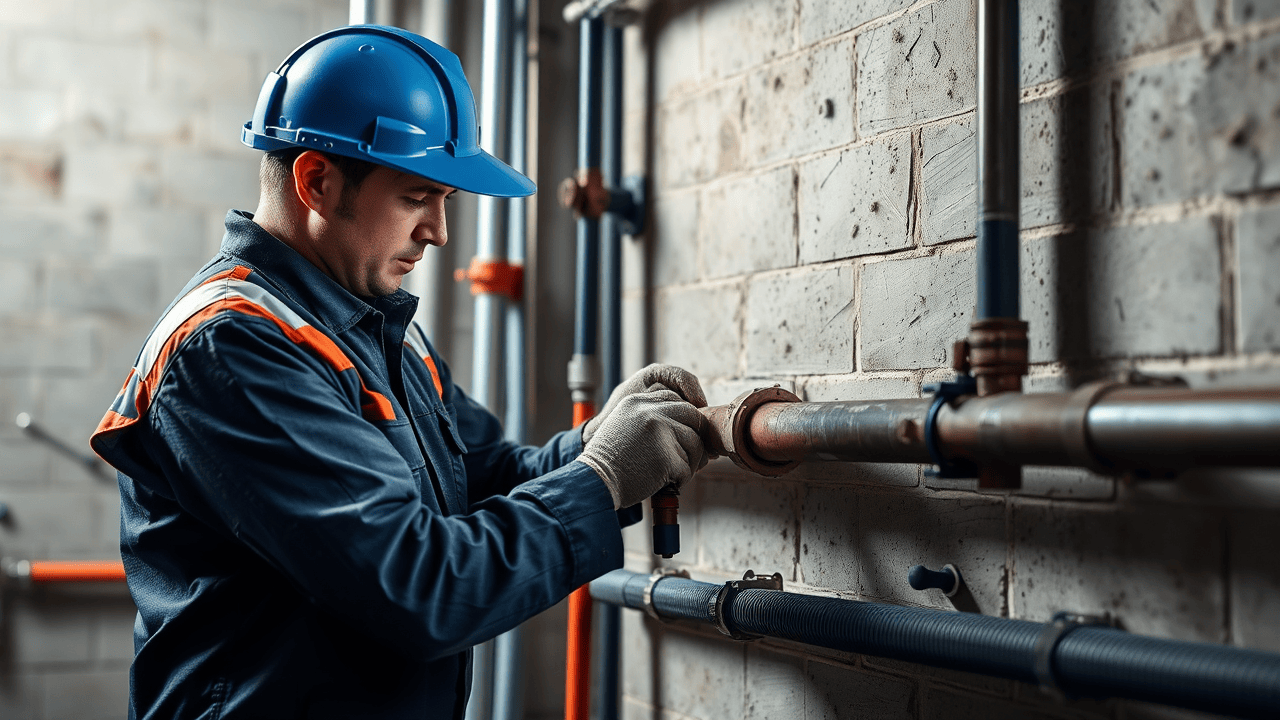
Repairing pipes involves several critical steps to ensure a lasting solution. Initially, identifying the source of the leak or damage is essential. This may require a thorough inspection of the pipes, including visual assessments or using special equipment such as cameras. After successfully locating the problem area, the surrounding space must be cleared for safe access, which may involve removing drywall, floor tiles, or other obstructions.
Once access to the damaged pipe is established, the repair approach can be determined. For small leaks, applying a patch or sealant may suffice, while more significant issues might necessitate cutting out the damaged section and replacing it with a new piece. Proper fitting is crucial, and once the repair is completed, the area should be thoroughly tested for leaks. Finally, restoring the space to its original state often involves additional finishing work, ensuring the repair is not only functional but also aesthetically pleasing.
StepbyStep Guide to Repairing Pipes
Identifying the source of the leak or damage is the first crucial step in pipe repair. Begin by inspecting the affected area thoroughly. Look for signs of water damage or wear and tear. Once the problem is pinpointed, gather the necessary tools, including pipe cutters, wrenches, and appropriate sealing materials. If the affected pipe is PVC, ensure you have solvent cement and primer ready.
Next, prepare the pipe for repair. This may involve cutting out the damaged section carefully. When replacing a section of PVC pipe, make sure to clean the ends of both the existing pipe and the new piece. Apply primer followed by cement to create a strong, watertight seal. For other types of pipes, such as copper or galvanized steel, soldering or using repair clamps may be necessary. After making the repair, turn on the water supply gradually and inspect for any further leaks.
Cost Factors in Pipe Installation
When planning a pipe installation, several cost factors must be evaluated. Materials play a significant role in overall expenses. Choices range from PVC to copper, with each material having its own price point and longevity characteristics. Labor costs also vary widely depending on the complexity of the installation as well as local market rates.
Additional expenses may include permits and inspections, which can add to the overall budget. It’s essential to factor in the potential need for specialized tools or equipment too. Homeowners should consider whether they want to take a DIY approach or hire professionals, as this decision can heavily influence the final costs of the project.
Understanding Pricing Structures
When considering the cost of pipe installation, several factors influence pricing. Labor costs vary based on geographical location, the complexity of the job, and the expertise required. Additionally, the type of materials chosen plays a significant role in overall expenses. PEX, PVC, and copper each come with different price points, impacting budget considerations for homeowners and contractors alike.
Another important component is the scope of the project, which encompasses both the length of pipe needed and any additional fittings or accessories. Larger installations or repairs demanding extensive labor will naturally increase costs. It's also wise to account for potential unforeseen issues, such as existing infrastructure complications or the need for permits, which can further elevate the final price of the project.
FAQS
What materials are best for pipe installation?
The best materials for pipe installation typically include PVC, copper, PEX, and galvanized steel. The choice depends on factors like the type of plumbing system, budget, and local codes.
How can I determine the durability of piping materials?
To determine the durability of piping materials, consider factors such as resistance to corrosion, temperature tolerance, pressure ratings, and the expected lifespan of the materials under specific conditions.
What are the common signs that my pipes need repair?
Common signs that your pipes may need repair include leaks, low water pressure, discolored water, unusual noises, or visible damage like cracks or corrosion.
Can I repair pipes myself, or should I hire a professional?
While some minor repairs can be handled by homeowners with basic plumbing knowledge, it is often best to hire a professional for more complex repairs to ensure safety and compliance with local codes.
What factors influence the cost of pipe installation?
The cost of pipe installation can be influenced by various factors including the type of materials used, labor costs, the complexity of the installation, location, and any necessary permits or inspections.