Gas line installation and repair
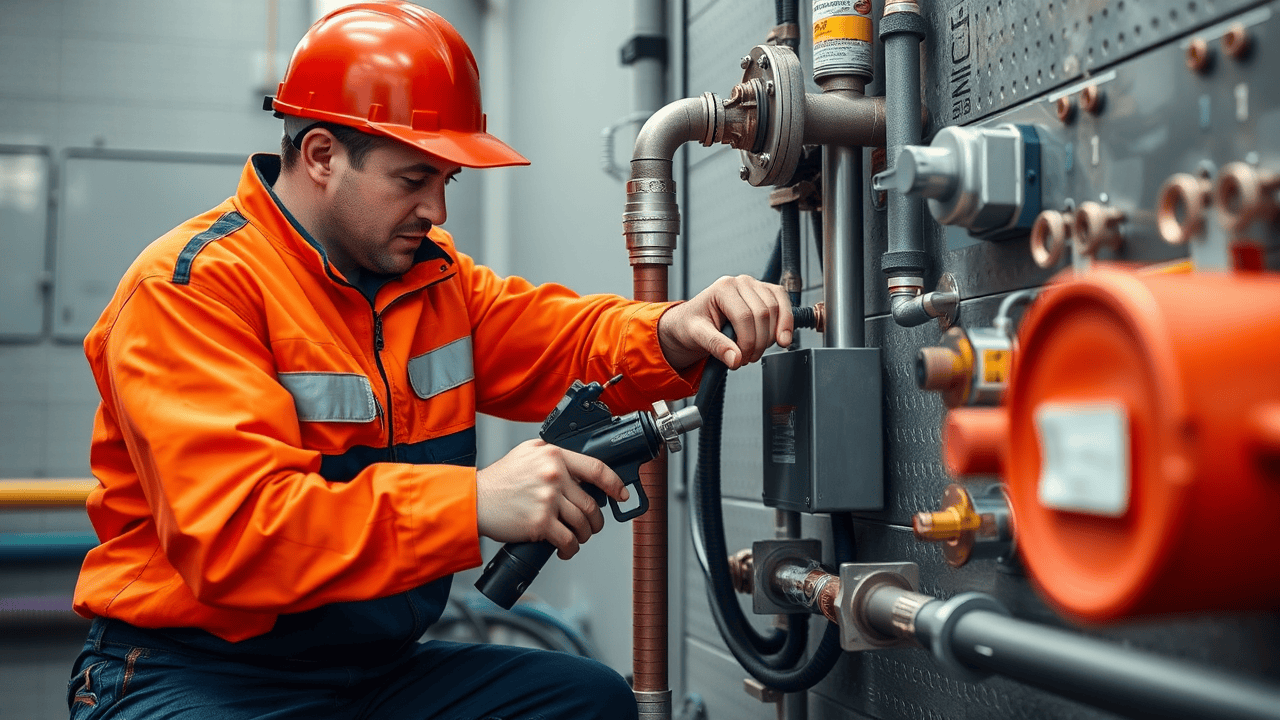
At Durham Plumbing Solutions, we specialize in professional gas line installation and repair services to ensure your home operates safely and efficiently. Our experienced team is equipped to handle a variety of gas line needs, from installing new lines for appliances like stoves and water heaters to diagnosing and repairing existing systems. We understand the critical importance of safety when working with gas, which is why we adhere to all industry regulations and use the latest techniques to prevent leaks and hazards. Trust Durham Plumbing Solutions to provide reliable and prompt service that keeps your home comfortable and secure.
Emergency Gas Line Repairs
Gas leaks can pose significant dangers, requiring immediate attention from licensed professionals. In cases of emergencies, shut off the main gas supply to prevent further leakage. Ventilating the area is essential, especially when indoors. Ensure that everyone evacuates to a safe distance while waiting for trained technicians to arrive. Emergency responders are equipped to handle such situations safely, identifying leak sources and executing necessary repairs promptly.
Proper training and equipment are crucial for conducting emergency gas line repairs. These tasks should not be attempted by untrained individuals, as improper handling can exacerbate hazards. Technicians utilize specialized tools and adhere to strict safety protocols to mitigate risks. Regular maintenance checks can help detect potential leaks early, reducing the likelihood of emergencies. Timely repairs contribute to the overall safety and efficiency of the gas system, safeguarding both property and residents.
Immediate Actions to Take
Prompt action is crucial in the event of a gas leak. First, evacuate the premises immediately, ensuring that all occupants are safely outside. Do not use any electrical devices or open flames, as these can ignite the gas. Once at a safe distance, contact your local gas provider or emergency services to report the situation. They have the tools and expertise to assess the hazard and can take appropriate measures to mitigate risks.
While awaiting professional assistance, avoid re-entering the affected area. If you can do so safely, close the main gas valve to stop further gas flow. It’s also wise to ventilate the space by opening doors and windows, helping to disperse any lingering gas. Remember to follow any instructions provided by emergency personnel, as their guidance will ensure not only your safety but also the safety of the responders involved.
Understanding Gas Line Regulations
Navigating gas line regulations is crucial for maintaining safety and operational compliance. These regulations, which can vary significantly between states and municipalities, are designed to ensure that installations and repairs are performed to a specific standard. Homeowners and contractors must familiarize themselves with the relevant codes, including those pertaining to materials, installation practices, and necessary inspections. Understanding these regulations helps prevent accidents and ensures that any gas appliances or lines adhere to safety protocols.
Non-compliance with local codes can lead to serious consequences, from fines to hazardous situations like gas leaks. When undertaking any gas line work, consulting with licensed professionals who are well-versed in local regulations is essential. This not only guarantees adherence to the law but also protects the integrity of the gas system and the safety of everyone in the vicinity. Regular audits and staying informed about changes in legislation can further enhance compliance and safety across the board.
Compliance with Local Codes
Local codes dictate the standards for gas line installation and maintenance. Each community has specific regulations aimed at ensuring safety and minimizing risks associated with gas leaks or explosions. Compliance with these regulations is not optional; it is a critical aspect of any gas line work. Failure to adhere to these codes can result in fines, legal issues, and increased danger for homeowners and businesses.
Understanding the nuances of local codes requires staying informed about updates and changes. Engaging licensed professionals ensures that installations and repairs meet all regulatory requirements. This practice significantly enhances the safety and reliability of gas systems. Keeping up with local standards protects the property and upholds the integrity of the plumbing profession.
The Role of Gas Line Inspections
Routine inspections are crucial for maintaining the safety and efficiency of gas line systems. Trained professionals assess various components, checking for leaks, corrosion, and adherence to safety standards. These evaluations can help identify potential problems before they escalate, ensuring the system operates smoothly. Regular review of gas lines not only protects property but also safeguards the well-being of residents.
Inspections are often mandated by local regulations and play a vital role in compliance. During these evaluations, experts verify that installations meet necessary codes and requirements. Addressing any issues uncovered during inspections can prevent costly repairs in the future and enhance the overall reliability of the gas system. Keeping records of inspections can also be beneficial for homeowners and businesses when managing maintenance schedules or in case of emergencies.
Ensuring System Integrity
Regular gas line inspections play a vital role in maintaining system integrity. These evaluations not only identify potential leaks but also assess the overall condition of the piping and connections. Trained professionals utilize specialized equipment to detect any issues that may not be visible to the naked eye. Routine inspections can prevent dangerous situations and ensure that any minor concerns are addressed before they escalate into major problems.
Proper maintenance is essential to keep gas lines functioning safely and efficiently. Routine check-ups help uphold compliance with safety regulations and local codes. Timely repairs and upgrades contribute to the longevity of the system, minimizing the risk of unexpected failures. A well-maintained gas line fosters safety for both the occupants of a property and the surrounding community.
FAQS
What are the signs that I might need a gas line repair?
Common signs include a sulfur or rotten egg smell, dead vegetation above the gas line, hissing sounds near the lines, or unusually high gas bills. If you suspect a leak, evacuate the area and contact a professional immediately.
How often should gas lines be inspected?
Gas lines should be inspected at least once every year, or more frequently if you experience issues or if your system has undergone significant changes. Regular inspections help ensure system integrity and compliance with safety standards.
What local codes should I be aware of regarding gas line installation?
Local codes can vary by city or state, but generally include regulations on the materials used, installation methods, and necessary permits. It's important to consult with a licensed professional who is familiar with your area's specific regulations.
Can I install or repair gas lines myself?
It is strongly recommended that gas line installation and repairs be performed by licensed professionals. Gas work can be dangerous and requires specialized knowledge to ensure safety and compliance with local codes.
What should I do in an emergency gas leak situation?
If you suspect a gas leak, immediately evacuate the area, avoid using electrical devices or open flames, and contact your gas company or emergency services. Do not attempt to locate the leak yourself.