Leak detection and repair
At Durham Plumbing Solutions, we specialize in comprehensive leak detection and repair services that ensure your home remains safe and dry. Our experienced team utilizes advanced technology to pinpoint hidden leaks in your plumbing system, whether they are in walls, under floors, or underground. By identifying these issues early, we help prevent costly water damage and mold growth, saving you time and money in the long run. Once a leak is detected, our skilled plumbers promptly carry out efficient repairs, ensuring your plumbing operates smoothly and effectively. Trust Durham Plumbing Solutions for reliable and professional leak detection and repair services that keep your home in top condition.
Tools Used in Leak Detection
Leak detection relies on a variety of specialized tools designed to accurately identify and locate faults within plumbing systems. Acoustic leak detectors are among the most commonly used, capable of amplifying the sounds generated by water escaping through cracks or openings. These devices require skilled operators to interpret the sounds effectively, aiding in quick identification. Infrared thermography is another valuable technique, using thermal imaging to detect temperature differences that indicate water leaks, particularly in pipes concealed behind walls or underground.
In addition to these advanced tools, basic equipment such as moisture meters and pressure gauges play essential roles in leak detection. Moisture meters help assess dampness levels in materials, providing insight into potential leak sources. Pressure gauges enable plumbers to monitor system integrity, identifying drops in pressure that may signal leaks. The combination of these methods enhances a plumber's ability to pinpoint issues efficiently, ultimately leading to more effective repairs and reduced water loss.
Essential Equipment for Plumbers
Plumbers rely on a variety of specialized tools to detect leaks effectively. Acoustic leak detectors are essential for identifying hidden leaks, as they can pick up subtle sounds that water makes when escaping through pipes. Infrared cameras provide a visual representation of temperature differences, helping to locate leaks in walls and ceilings without invasive methods. Additionally, moisture meters measure moisture levels in materials, allowing plumbers to assess the extent of water damage.
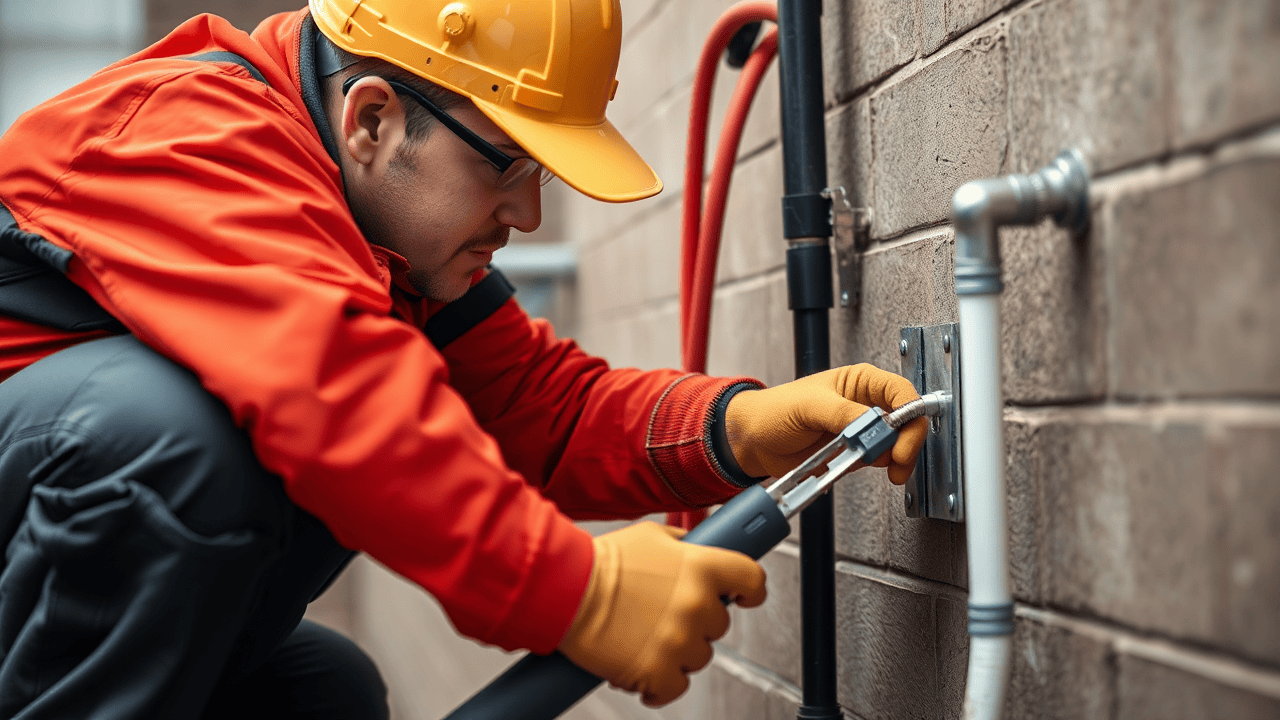
In addition to high-tech tools, traditional equipment remains vital for leak detection and repair. Wrenches, pliers, and pipe cutters are fundamental for accessing and repairing damaged plumbing systems. Plumbers also benefit from a good supply of pipe fittings and sealants to ensure that repairs can be carried out efficiently. Maintaining a well-equipped toolbox is crucial for addressing leaks promptly and effectively, minimizing water damage, and ensuring the safety and functionality of plumbing systems.
Preventative Measures for Leaks
Regular maintenance is key to preventing leaks before they become a significant issue. Homeowners should inspect plumbing fixtures, joints, and pipes periodically to identify any signs of wear and tear. Tightening loose fixtures and replacing old seals can prevent small leaks from developing into larger problems. Additionally, monitoring water bills for any unexplained increases can signal hidden leaks, prompting timely investigation.
Installing water sensors in areas prone to leaks can provide an early warning system. These sensors alert homeowners to moisture, allowing quick action to be taken. Furthermore, maintaining proper insulation around pipes in colder months can help prevent freezing and bursting. Utilizing high-quality materials when upgrading plumbing systems adds another layer of protection against future leaks.
Strategies to Minimize Risk
Regular inspections are crucial in preventing leaks from becoming a significant issue. Homeowners should consider scheduling routine plumbing check-ups to identify any potential problems early. Inspecting appliances, pipes, and fixtures regularly can help catch wear and tear before they lead to major leaks. Additionally, monitoring water pressure can alert homeowners to irregularities that may indicate underlying issues.
Proper insulation also plays a vital role in reducing leak risks. Pipes exposed to cold temperatures can freeze and burst, leading to costly repairs. Insulating these pipes, especially in unheated areas like basements and attics, can provide an extra layer of protection. Using high-quality materials that resist corrosion and deterioration further minimizes the chances of future leaks.
Costs Associated with Leak Repairs
Repairing leaks often involves various costs that can quickly add up. The expenses primarily stem from the type of leak, the location, and the complexity of the repair. For instance, minor leaks under a sink might require straightforward fixes with minimal expense, while significant leaks in hidden plumbing could necessitate extensive excavation or wall removal, substantially increasing costs. Plumbers also factor in labor rates, which vary based on experience and geographic location.
Additional expenses may arise from necessary materials and tools used during the repair process. High-quality materials often lead to better long-term results but can contribute to higher overall costs. It's also essential to consider potential water damage, which can require additional repairs or restoration services, impacting the total financial burden experienced by homeowners. Regular maintenance and prompt leak detection can help mitigate these costs in the long run.
Factors Influencing Repair Expenses
The expense incurred from leak repairs can vary significantly depending on several key factors. The location of the leak plays a crucial role; leaks in easily accessible areas tend to cost less to repair than those hidden behind walls or under floors. Additionally, the severity of the damage affects pricing; minor leaks might only require basic patchwork while extensive damage could necessitate major renovations.
Type of materials used also impacts repair expenses. Standard plumbing materials are typically less expensive than specialized options designed for sustainability or high performance. Labor costs fluctuate based on geographic location, with urban areas often commanding higher rates. Emergencies typically incur additional charges due to the need for immediate attention outside normal operating hours.
FAQS
What tools are commonly used for leak detection?
Common tools for leak detection include acoustic listening devices, thermal imaging cameras, moisture meters, and dye testing kits. These tools help plumbers identify leaks in pipes, walls, and other structures effectively.
How can I prevent leaks in my plumbing system?
Preventative measures for leaks include regular maintenance checks, inspecting for signs of wear and tear, insulating pipes to prevent freezing, and ensuring proper drainage around your home.
What are the typical costs associated with leak repairs?
Costs for leak repairs can vary widely based on factors such as the location of the leak, the extent of the damage, and the type of repair needed. On average, homeowners can expect to pay anywhere from $150 to $1,000 or more, depending on these variables.
How can I identify a leak in my home?
Signs of a leak can include unexplained water bills, damp spots on walls or ceilings, the sound of running water when no taps are on, and mold growth. Performing regular inspections can help you catch leaks early.
When should I call a professional for leak detection?
You should call a professional for leak detection if you notice signs of a leak that you cannot locate or fix yourself, if your water bill suddenly increases without explanation, or if you experience persistent dampness or mold issues in your home.