Safety Practices in Pipe Fitting
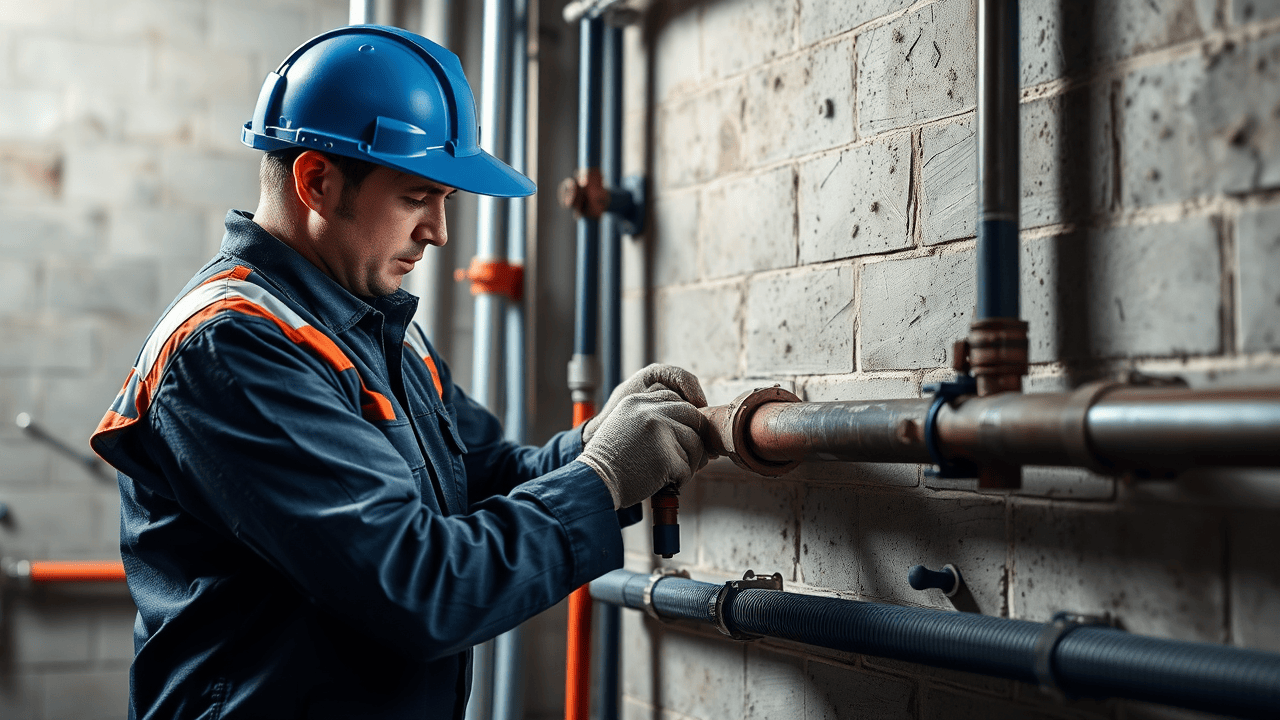
Safety practices in pipe fitting are essential for preventing hazards during installation and repair processes. Professionals must wear appropriate personal protective equipment, including gloves, safety glasses, and hard hats. Proper training in handling tools and equipment is equally important to minimize risks. Awareness of the workspace and potential dangers contributes significantly to maintaining a safe environment. Pipe installation and repair in Oregon must also adhere to local safety regulations that are stringent in nature.
Furthermore, following established protocols can reduce the likelihood of accidents. Regular inspections of tools and materials can help identify wear or defects before use. It's crucial for pipe fitters to stay informed about safety standards and best practices. Engaging in ongoing education and training sessions allows workers to refresh their knowledge and skills. By prioritizing safety, professionals create a work atmosphere that protects both themselves and their clients.
Preventing Accidents and Ensuring Compliance
In the field of pipe installation and repair in Oregon, adhering to safety practices is essential for preventing accidents. Proper training and education ensure that workers understand the risks associated with pipe fitting activities. Utilizing personal protective equipment, such as gloves, goggles, and hard hats, significantly reduces the likelihood of injuries on the job site. Ensuring that the workspace is clean and organized also plays a critical role in maintaining safety standards. Regular safety meetings can reinforce these protocols and keep all team members informed about best practices.
Ensuring compliance with local and state regulations is crucial in the pipe fitting industry. Regulations often dictate the materials used, installation methods, and safety measures that must be followed. Regular inspections and adherence to plumbing codes help identify potential hazards before they become serious issues. In Oregon, staying informed about any changes in legislation or guidelines protects both workers and customers from legal complications or safety violations. Understanding these compliance requirements is necessary for maintaining high standards in pipe installation and repair.
The Cost of Pipe Fitting and Repair Services
The cost of pipe fitting and repair services varies widely based on several factors. Labor rates typically depend on the technician's experience and the complexity of the project. Material costs can fluctuate as well, with prices affected by the type of pipes used and local market conditions. Homeowners in Oregon often find that seasonal demand influences pricing, with peak times potentially leading to higher costs.
Pipe installation and repair in Oregon may also involve additional fees related to permits and inspections. Many local regulations require specific qualifications, which can add to the overall expense. Moreover, emergency repairs often command premium rates, especially if they occur outside of standard working hours. By understanding these factors, customers can plan their budgets more effectively while ensuring compliance with local standards.
Factors Influencing Pricing
The cost of pipe fitting and repair services can vary significantly based on several factors that affect pricing. The complexity of the job plays a crucial role; intricate installations or repairs that require specialized knowledge generally incur higher costs. Additionally, the type of materials used, such as PVC or copper, also influences the overall price. Labor rates in specific regions can contribute to the final expenses, making it essential for homeowners to research local market trends.
Location is another vital aspect that impacts pricing, particularly for services like pipe installation and repair in Bend, Oregon. The demand for plumbers in the area can drive prices up, especially during peak seasons. Homeowners may also need to consider whether additional services, such as inspections or modifications to existing plumbing systems, are necessary, which can further affect the total cost. Understanding these elements helps consumers make informed decisions while planning their pipe-related projects.
Understanding Plumbing Codes and Regulations
Plumbing codes and regulations serve as essential guidelines for ensuring safety and efficiency in plumbing work. These codes dictate the standards for installation, repair, and maintenance in various settings. Compliance with local and state regulations is crucial for safeguarding public health and the environment. Familiarity with these codes allows plumbers to conduct their work to the highest standards, adhering to best practices in pipe installation and repair in Oregon.
The importance of understanding plumbing codes extends beyond mere adherence. Failure to comply can result in costly penalties and unsafe conditions, which can create additional challenges for homeowners and contractors. Knowing the specifics of the regulations helps in preventing legal issues and ensuring quality workmanship. This knowledge fosters trust between plumbers and their clients, as it demonstrates a commitment to professionalism and public safety in every project undertaken.
Importance of Compliance in Pipe Work
Compliance with plumbing codes and regulations is crucial for ensuring the safety and reliability of pipe systems. Regulatory standards dictate installation methods, materials, and safety measures that protect both occupants and the infrastructure. Non-compliance can lead to significant risks, such as leaks, water contamination, and even structural damage. These guidelines are designed to create a consistent framework that professionals can follow, promoting best practices in the field.
In areas like Bend, Oregon, understanding local and national codes is especially vital for contractors involved in pipe installation and repair. Local regulations may have particular nuances that differ from general codes, reflecting specific environmental and community standards. Adhering to these requirements not only minimizes legal liabilities but also helps maintain the integrity of the services provided. Professionals who prioritize compliance foster trust with clients and contribute to the overall safety and functionality of plumbing systems.
FAQS
Who is responsible for fitting and repairing pipes?
Licensed plumbers and pipe fitters are primarily responsible for fitting and repairing pipes. They are trained professionals who have the necessary skills and knowledge to handle various plumbing systems.
What qualifications do I need to become a pipe fitter?
To become a pipe fitter, individuals typically need to complete a high school diploma or equivalent, undergo vocational training, and often participate in an apprenticeship program. Certification and licensing requirements may vary by state.
How can I ensure my pipe fitting and repair service is safe?
To ensure safety in pipe fitting and repair services, always hire licensed professionals who adhere to safety practices, follow plumbing codes, and maintain compliance with local regulations.
What factors influence the cost of pipe fitting and repair services?
Factors that influence the cost of pipe fitting and repair services include the complexity of the job, the materials required, labor rates in your area, and any necessary permits or compliance with regulations.
Why is understanding plumbing codes and regulations important?
Understanding plumbing codes and regulations is important because they ensure safe and efficient installations, help prevent water damage and health hazards, and ensure that work complies with local laws, which can prevent costly fines and repairs.