When to Call a Plumber
Knowing when to call a plumber can make all the difference in preventing further damage to your home. If you notice frequent clogs, gurgling sounds from your drains, or unpleasant odors emanating from your plumbing, it's time to seek professional help. Ignoring these warning signs may lead to severe backups that could affect your entire plumbing system. A skilled plumber can quickly diagnose the issue and recommend the best course of action.
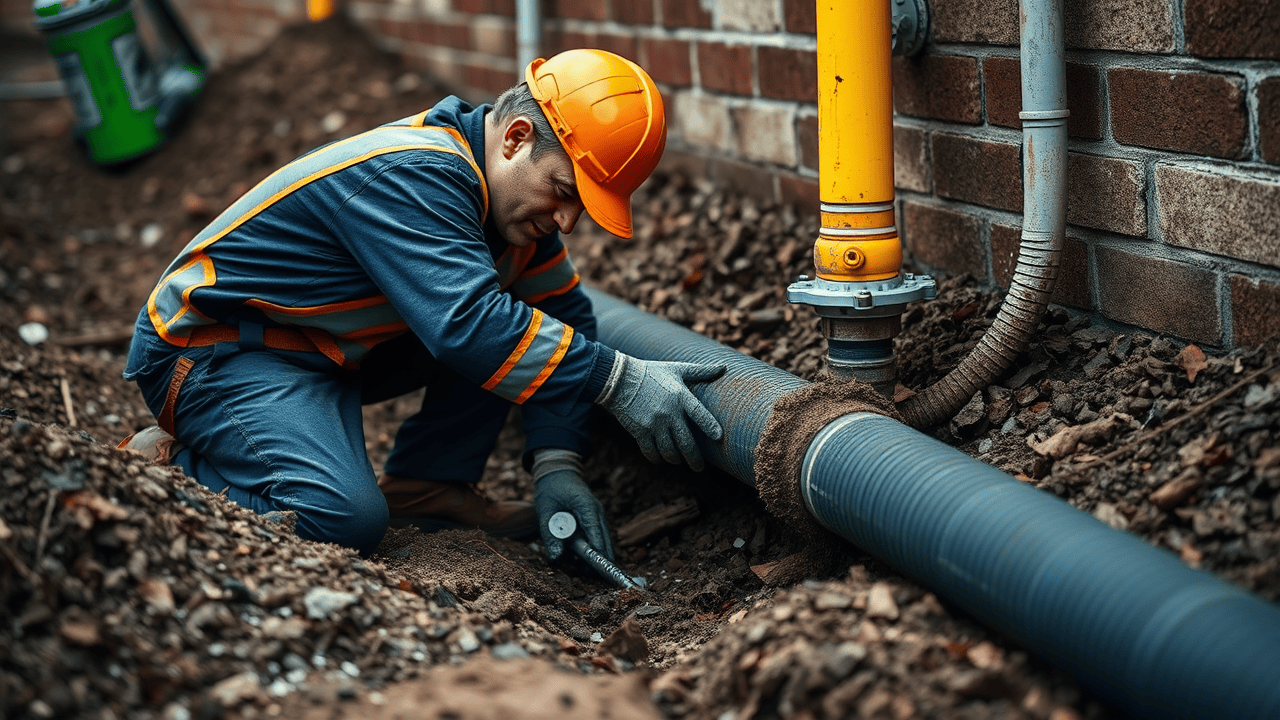
For those residing in Oregon, opting for specialized services like sewer line installation and repair can be beneficial. Many local technicians possess the necessary expertise to tackle various sewer line problems. They utilize advanced tools and techniques to ensure efficient repairs and prevent recurring issues. Timely intervention can save homeowners from costly repairs down the line.
Identifying Urgent Situations
Recognizing when a backed-up sewer line has become an urgent situation is crucial for homeowners. Common signs include multiple drains backing up simultaneously and the presence of sewage in sinks or bathtubs. Unpleasant odors emanating from drains can also indicate a serious issue that needs immediate attention. Homeowners should pay special attention to their plumbing, as neglecting these warning signs can lead to more severe damage and costly repairs.
If the situation escalates to pools of water forming in the yard or around the property's foundation, it may signal a major blockage or a broken sewer line. Such conditions warrant a professional inspection without delay. In regions like Oregon, where sewer line installation and repair services are readily available, addressing these concerns promptly can prevent extensive damage and health hazards associated with sewage backups. Preparing for emergencies by knowing local plumbing services can save homeowners time and stress.
Preventive Measures for Future Issues
Taking proactive measures can significantly reduce the likelihood of a backed-up sewer line. Proper disposal of waste is crucial. Homeowners should avoid flushing items like wipes, paper towels, and feminine hygiene products, as they can easily clog pipes. Regularly inspecting and cleaning sewer vents helps prevent blockages caused by debris and tree roots. In Bend, Oregon, professionals specializing in sewer line installation and repair can provide guidance on best practices for maintaining a healthy plumbing system.
Another effective strategy is to maintain clean gutters and downspouts. This prevents water from overwhelming the sewer system during heavy rainfall. Installing a backwater valve can also protect against sewer backups from external sources. Homeowners should make it a habit to record any unusual drainage patterns. Engaging with local experts in sewer line installation and repair Bend, Oregon, ensures that systems remain functional and efficient over time. Regular check-ups and maintenance play a vital role in preventing future issues.
Tips to Maintain a Healthy Sewer System
Maintaining a healthy sewer system requires consistent attention to what goes down your drains. Avoid flushing items like wipes, feminine hygiene products, and grease, as these can lead to clogs. Regularly clean your drains to prevent debris accumulation. One option for homeowners is to use a mixture of baking soda and vinegar to keep drains clear. Additionally, consider investing in strainers for your sinks and showers to catch hair and larger particles before they enter the plumbing.
Scheduling regular inspections can also help identify potential problems before they escalate. Look for signs of sluggish drainage or unusual odors, which may indicate issues within your sewer line. Enlisting professional help for sewer line installation and repair in Oregon can prevent small problems from turning into costly repairs. Keeping up with routine maintenance not only prolongs the lifespan of your sewer system but also enhances the overall efficiency of your plumbing.
The Importance of Regular Maintenance
Regular maintenance of sewer lines is crucial for preventing significant blockages and breakdowns. Ignoring this aspect can lead to costly repairs and extensive damage to your property. Homeowners should understand that sewer lines are susceptible to various issues, including tree root intrusion and grease buildup. Scheduling routine maintenance checks helps identify potential problems early on before they escalate into emergencies.
In Oregon, where soil conditions can vary, the need for professional oversight is heightened. Investing in timely inspections ensures that any wear and tear on your sewer system gets addressed promptly. Sewer line installation and repair Oregon specialists can provide the necessary expertise to maintain the functionality of your system. Proactive measures taken today can save homeowners from extensive disruptions tomorrow.
Scheduling Routine Inspections
Scheduling routine inspections for your sewer line is essential in maintaining a healthy plumbing system. Regular check-ups can help identify potential issues before they escalate into costly repairs. During these inspections, professional plumbers can assess the integrity of pipes, check for blockages, and evaluate the overall functioning of the system. A proactive approach can save homeowners significant headaches down the line.
In areas like Oregon, where sewer line installation and repair services are readily available, timely inspections can fit seamlessly into regular home maintenance routines. Many plumbing services offer scheduled inspections tailored to the needs of the homeowner. Establishing a maintenance schedule not only ensures a well-functioning sewer system but also enhances the lifespan of the pipes, allowing for a safer and more efficient living environment.
FAQS
What are the common signs of a backed up sewer line?
Common signs include slow draining sinks or toilets, gurgling noises coming from drains, and sewage backup in sinks, tubs, or toilets.
Can I fix a backed up sewer line myself?
While some minor clogs can be addressed with a plunger or a drain snake, it's generally best to call a plumber for serious backups to prevent further damage.
How often should I have my sewer line inspected?
It's recommended to have your sewer line inspected at least once every 1 to 2 years, or more frequently if you experience issues.
What are the preventive measures to avoid sewer line backups?
Preventive measures include avoiding flushing non-biodegradable items, using drain screens, and scheduling regular inspections and cleanings.
What should I do if I notice sewage backing up in my home?
Immediately stop using water fixtures, avoid flushing toilets, and call a licensed plumber to address the problem as quickly as possible.