Implementing Trenchless Repair Techniques
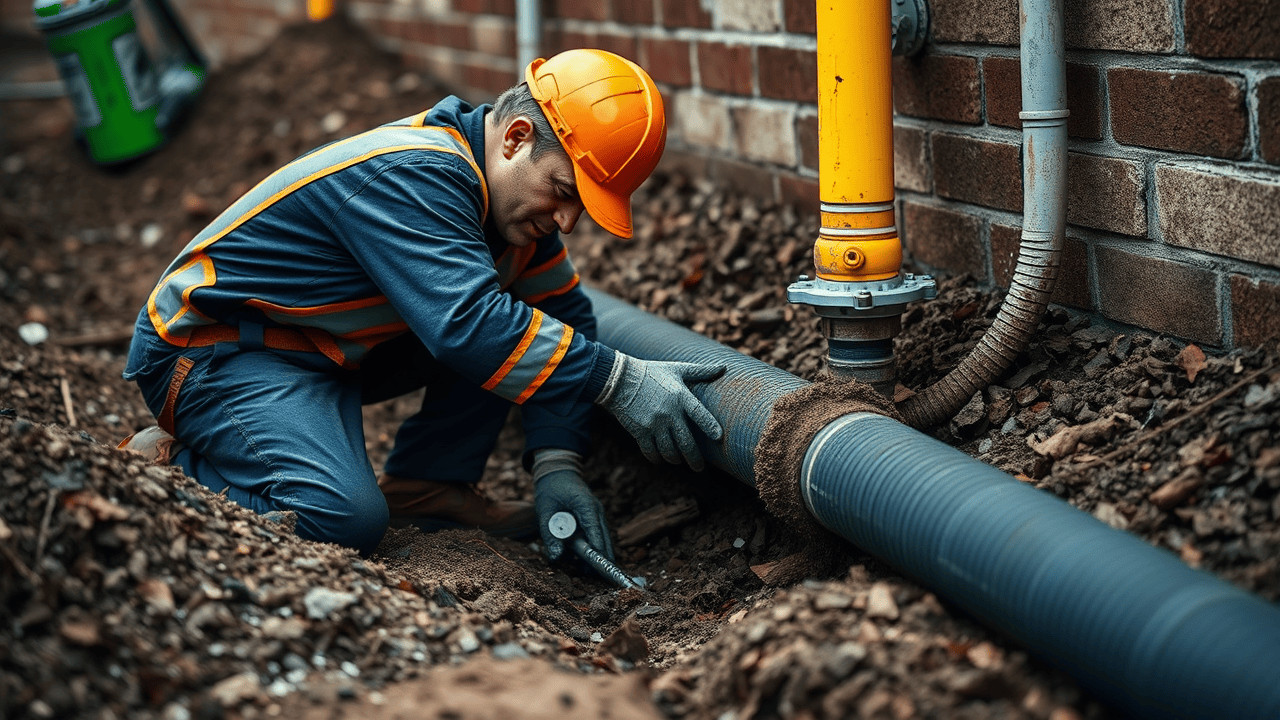
Trenchless repair techniques offer an efficient alternative to traditional methods for addressing underground sewer pipe issues. By employing minimal excavation, these methods minimize disruption to surrounding landscapes and reduce the amount of time required for repairs. Advanced tools and materials are utilized, allowing for quicker completion and often lowering overall repair costs. This approach has gained popularity across various regions, including areas such as Oregon, where sewer line installation and repair in Oregon frequently embrace these innovative techniques.
One of the key benefits of trenchless methods is their ability to restore functionality without the need for extensive digging. Techniques such as pipe lining and pipe bursting allow contractors to rehabilitate existing pipes with less environmental impact. This is particularly advantageous in urban settings where space is limited and existing infrastructure must be preserved. By using trenchless technology, property owners can address sewer pipe issues effectively while minimizing inconvenience and maintaining the integrity of their landscape.
Pipe Lining and Pipe Bursting Explained
Pipe lining is a trenchless method that involves inserting a flexible liner coated with resin into an existing sewer pipe. Once positioned, the liner is inflated, allowing it to adhere to the inner walls of the damaged pipe. After curing, the liner forms a new pipe within the old one, effectively sealing cracks and preventing leaks. This technique minimizes the need for extensive excavation, making it a cost-effective solution for many homeowners and businesses. For those exploring options for sewer line installation and repair in Oregon, pipe lining offers a durable and efficient alternative.
Pipe bursting, on the other hand, involves breaking apart the old sewer pipe while simultaneously installing a new one. A specialized bursting head is inserted into the existing pipe, where it fractures the damaged material and shifts it into the surrounding soil. As the head moves forward, a new pipe is pulled into place behind it. This method is particularly useful for heavily damaged pipes or when larger diameters are needed. When considering sewer line installation and repair in Oregon, pipe bursting provides a practical option with minimal surface disruption.
Ensuring Proper Sewer Pipe Alignment
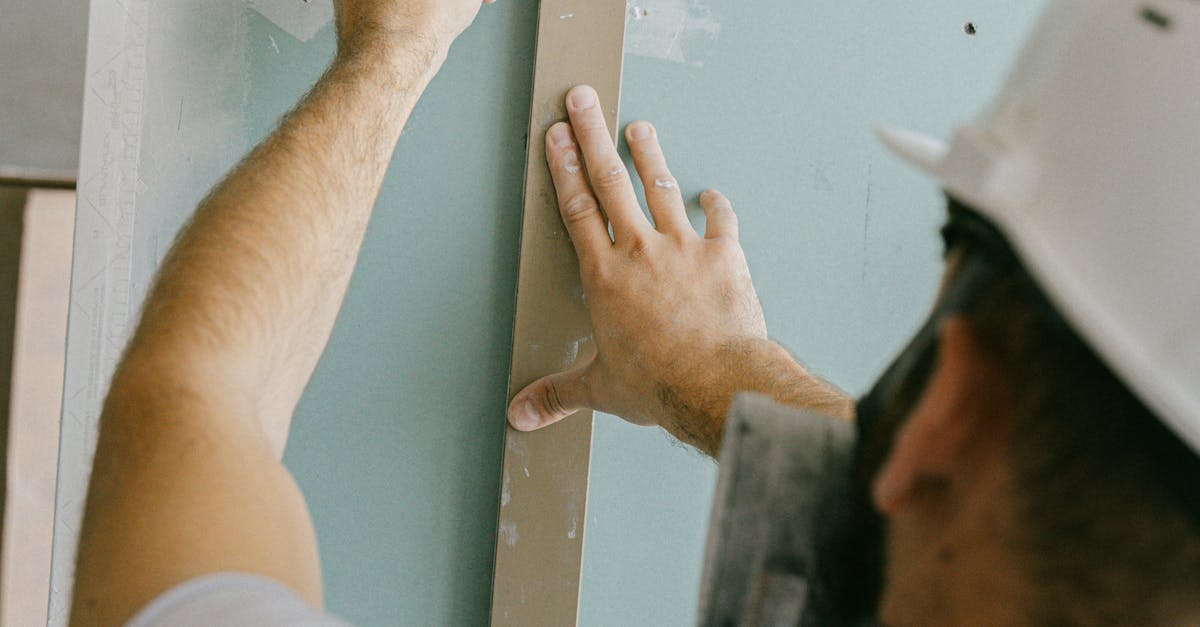
Proper alignment of sewer pipes is crucial for maintaining optimal flow and preventing future blockages. Even minor misalignments can lead to issues such as pooling water, increased pressure, or damage to the surrounding infrastructure. Choosing experienced professionals for sewer line installation and repair in Oregon can significantly reduce alignment errors. They understand the local conditions and have the necessary tools to ensure precise placement.
Post-installation, regular inspections are vital to confirm that the pipes remain aligned. Using technologies such as video camera inspections allows for accurate assessment without the need for extensive digging. This proactive approach helps identify potential problems early, saving homeowners time and money in the long run. An aligned sewer system promotes efficiency and longevity, contributing to overall system reliability.
Importance of Correct Placement
Correct placement of sewer pipes is crucial for the long-term reliability of a plumbing system. Improperly positioned pipes can lead to significant issues such as blockages, leaks, and even system failures. Careful planning and execution are necessary to ensure that the pipe is installed at the right depth and slope, allowing for optimal flow and drainage. This attention to detail minimizes the risk of future complications and keeps the sewer system functioning smoothly.
In areas like Bend, Oregon, ensuring proper alignment is particularly vital due to the region's unique soil composition and topography. Adhering to local regulations and best practices during sewer line installation and repair can prevent costly repairs down the line. Utilizing advanced technology in the placement process will enhance accuracy, thereby contributing to a more effective plumbing system. These steps help maintain the integrity of the sewer line, ensuring it remains serviceable for years to come.
Testing the Repair
After completing the repair of a broken sewer pipe, it is essential to thoroughly test the integrity of the work. Various methods can be employed to check for leaks and ensure that the newly repaired section functions as intended. Pressure testing is often used to identify any weaknesses in the repair, allowing for immediate rectifications if necessary. Additionally, camera inspections can provide visual confirmation of the pipe’s condition and alignment, ensuring that everything is in working order.
In regions like Oregon, where soil conditions can vary greatly, proper testing is particularly critical. Sewer line installation and repair in Oregon often requires special attention to environmental factors that could affect the long-term performance of the pipes. By utilizing advanced testing techniques, homeowners and contractors can feel confident that their sewage systems will operate reliably for years to come. Regular monitoring and maintenance after repairs can further safeguard against future issues, ensuring overall system efficiency.
Methods for Verifying Integrity
Verifying the integrity of a repaired sewer pipe is crucial to ensure long-lasting functionality and prevent future issues. Several methods can be employed for this purpose, including video inspections and pressure tests. Video inspection utilizes a camera on a flexible rod to visually assess the interior of the pipe. This technique allows for the detection of cracks, misalignments, and material deterioration, providing a clear picture of the repair's effectiveness. Pressure tests, on the other hand, measure the pipe's ability to withstand typical sewer flow conditions, unveiling any leaks or vulnerabilities that might compromise its performance.
For homeowners and contractors engaged in sewer line installation and repair in Oregon, understanding the results from these testing methods is essential. Consistent monitoring after repairs can help identify emerging problems that may arise due to shifting soils or other environmental factors. Performing these tests not only confirms the immediate success of the repair but also contributes to long-term maintenance strategies. This proactive approach minimizes the risk of unexpected sewer failures and supports the overall health of the plumbing system.
FAQS
What are trenchless repair techniques?
Trenchless repair techniques are methods used to fix underground sewer pipes without the need for extensive digging. These techniques minimize surface disruption and often include pipe lining and pipe bursting.
How does pipe lining work?
Pipe lining involves inserting a flexible tube coated with resin into the damaged pipe. The tube is inflated, allowing the resin to adhere to the interior of the pipe. Once cured, it creates a new pipe within the existing one, sealing leaks and restoring functionality.
What is pipe bursting?
Pipe bursting is a method where a new pipe is pulled into place while simultaneously breaking apart the old, damaged pipe. This technique allows for the replacement of old pipes without significant excavation.
Why is proper sewer pipe alignment important?
Proper sewer pipe alignment is crucial to ensure that wastewater flows smoothly and prevents blockages. Misalignment can lead to additional leaks, increased pressure, and eventual system failure.
What methods can I use to test the integrity of a repaired sewer pipe?
Common methods for testing the integrity of a repaired sewer pipe include video inspection, pressure testing, and dye testing. These methods help verify that the repair has been successful and that there are no leaks.