Effects of Tree Roots on Sewer Pipes
Tree roots are among the most common threats to sewer pipes. As trees seek water, they can penetrate small cracks or joints in the sewer system. This intrusion can lead to blockages, compromised pipe integrity, and significant drainage issues. In many cases, the damage caused by roots may necessitate extensive repairs or even complete pipe replacement.
Addressing root intrusion requires a proactive approach. Homeowners should regularly monitor their sewer lines, especially if there are nearby trees. For those in need of assistance, searching “sewer line installation and repair near me” can connect them with professionals who can assess the damage and recommend effective solutions. Proper maintenance and inspection can prevent costly repairs and prolong the life of the sewer system.
Managing Root Intrusion
Tree roots pose a significant challenge to sewer system integrity. As plants seek moisture, roots can infiltrate pipes through cracks or loose joints. This can lead to blockages, backups, or even pipe collapses, causing costly damage and extensive repairs. Homeowners should be vigilant, as early signs of root intrusion include slow drains, unusual gurgling sounds, and wet areas in the yard. Regular inspections can help identify potential issues before they escalate.
Managing root intrusion requires a proactive approach. Homeowners may consider professional solutions like root barriers or regular maintenance using enzyme treatments. When dealing with significant blockage or damage, it is advisable to search for "sewer line installation and repair near me" to find experienced professionals who can assess the situation. Investing in proper management techniques can extend the life of sewer pipes and prevent future complications from root growth.
The Role of Pipe Installation in Longevity
The quality of pipe installation plays a crucial role in the overall longevity of sewer systems. Proper techniques ensure that pipes are laid at the correct slope, allowing for optimal flow and reducing the likelihood of blockages. Additionally, using appropriate materials for the specific environment can prevent premature wear and damage. Homeowners should prioritize finding qualified contractors who specialize in sewer line installation to achieve the best results.
When searching for assistance, phrases like "sewer line installation and repair near me" can lead to local experts familiar with regional codes and standards. These professionals can assess soil conditions and recommend suitable materials, ensuring that the installation not only meets immediate needs but also withstands the test of time. Investing in a skilled installation will greatly reduce the chances of future problems and costly repairs.
Importance of Professional Installation
Professional installation of sewer pipes is crucial for ensuring their longevity and functionality. A qualified plumber possesses the expertise to identify the best materials and methods suited for the local environment. Improper installation can lead to significant issues down the line, including leaks and clogs that could have been easily avoided with expert attention.
When considering pipe work, searching for “sewer line installation and repair near me” can provide access to skilled professionals who understand local regulations and soil conditions. They can help in selecting the right type of pipes and fittings, minimizing future maintenance and repair costs. Investing in professional installation not only offers peace of mind but also enhances the overall performance of a home’s plumbing system.
What to Expect During Pipe Replacement
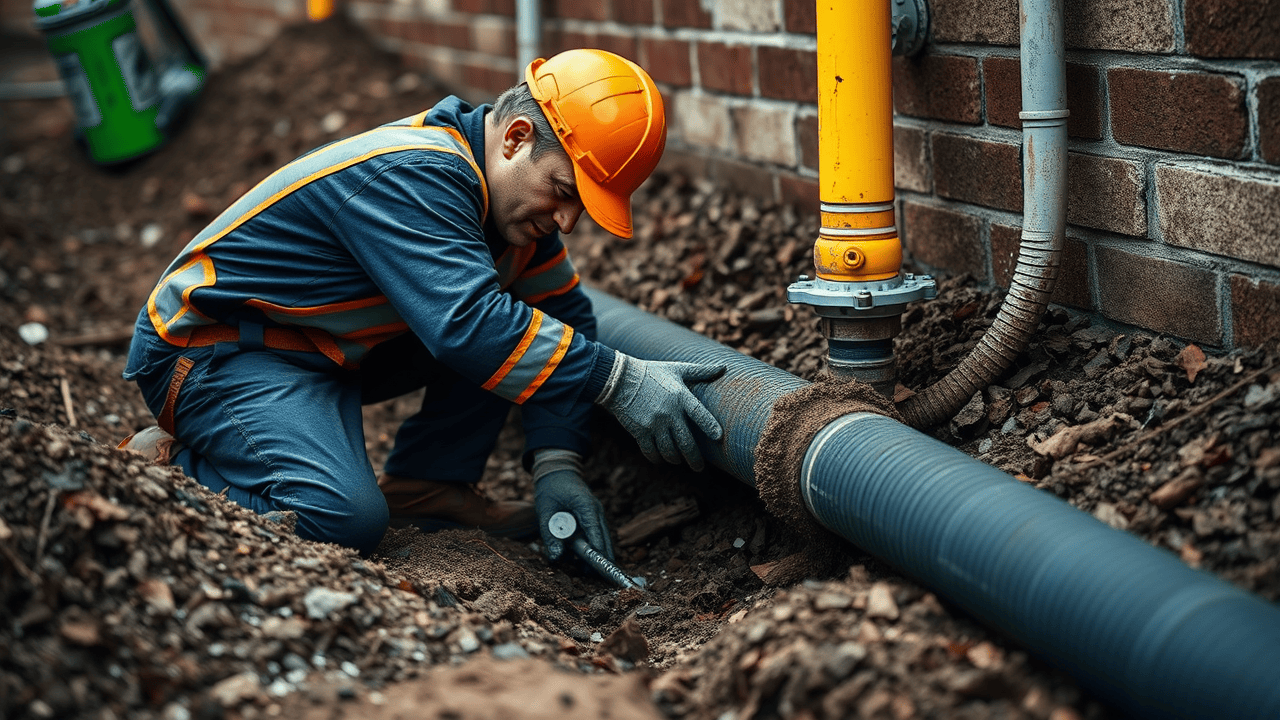
Replacing a sewer pipe often involves considerable preparation and disruption to your property. Homeowners can expect to see a crew of professionals working efficiently to access the damaged section of the line. Depending on the extent of the replacement, this might require digging up portions of your yard, driveway, or even street. The timeline for the entire process can vary based on the complexity of the job, but many replacements typically take a day or two. It’s advisable to communicate with your contractor to get a clear understanding of the estimated duration and any necessary preparations on your end.
During this process, it's crucial to keep in mind the importance of hiring qualified professionals. Many service providers offer assistance in "sewer line installation and repair near me," ensuring that the work meets local standards and regulations. Proper installation is vital to prevent issues down the line, and skilled technicians understand the best practices needed for a long-lasting sewer system. Homeowners should also be prepared for potential follow-up services or inspections to ensure everything is functioning as intended after the replacement is complete.
Overview of the Replacement Process
In the overview of the replacement process for sewer pipes, several essential steps are involved to ensure a successful outcome. First, professionals assess the existing sewer line to determine the extent of damage or failure. This examination can include video inspections to visualize the internal condition of the pipes. Once the scope of work is established, the next step involves choosing the appropriate method for replacement, which could range from traditional excavation to more modern trenchless techniques. Homeowners should always consider the implications of each method for their property and landscape.
After selecting the best approach, the team will prepare the area for work, marking out utility lines and ensuring safety protocols are in place. The replacement process will include removing the old pipe and installing the new one. Depending on the method chosen, this may involve digging a trench or using specialized equipment for trenchless installation. It's crucial to engage with qualified contractors who provide services like “sewer line installation and repair near me” to guarantee that the work is done efficiently and meets local codes and regulations. Proper planning and execution can enhance the longevity of the new sewer system.
FAQS
How long do sewer pipes typically last?
Sewer pipes can last anywhere from 20 to 100 years, depending on the material used and environmental conditions.
What factors can affect the lifespan of sewer pipes?
Factors such as the type of material, installation quality, soil conditions, and tree root intrusion can significantly impact the lifespan of sewer pipes.
How do tree roots affect sewer pipes?
Tree roots can infiltrate sewer pipes through small cracks and joints, leading to blockages, damage, and premature failure of the pipes.
What should I do if I suspect tree roots are invading my sewer pipes?
It's important to contact a professional plumber or sewer specialist who can assess the situation and recommend appropriate measures to manage root intrusion.
How can proper installation extend the life of sewer pipes?
Professional installation ensures that sewer pipes are placed correctly, minimizing the risk of issues such as cracking or misalignment that can shorten their lifespan.